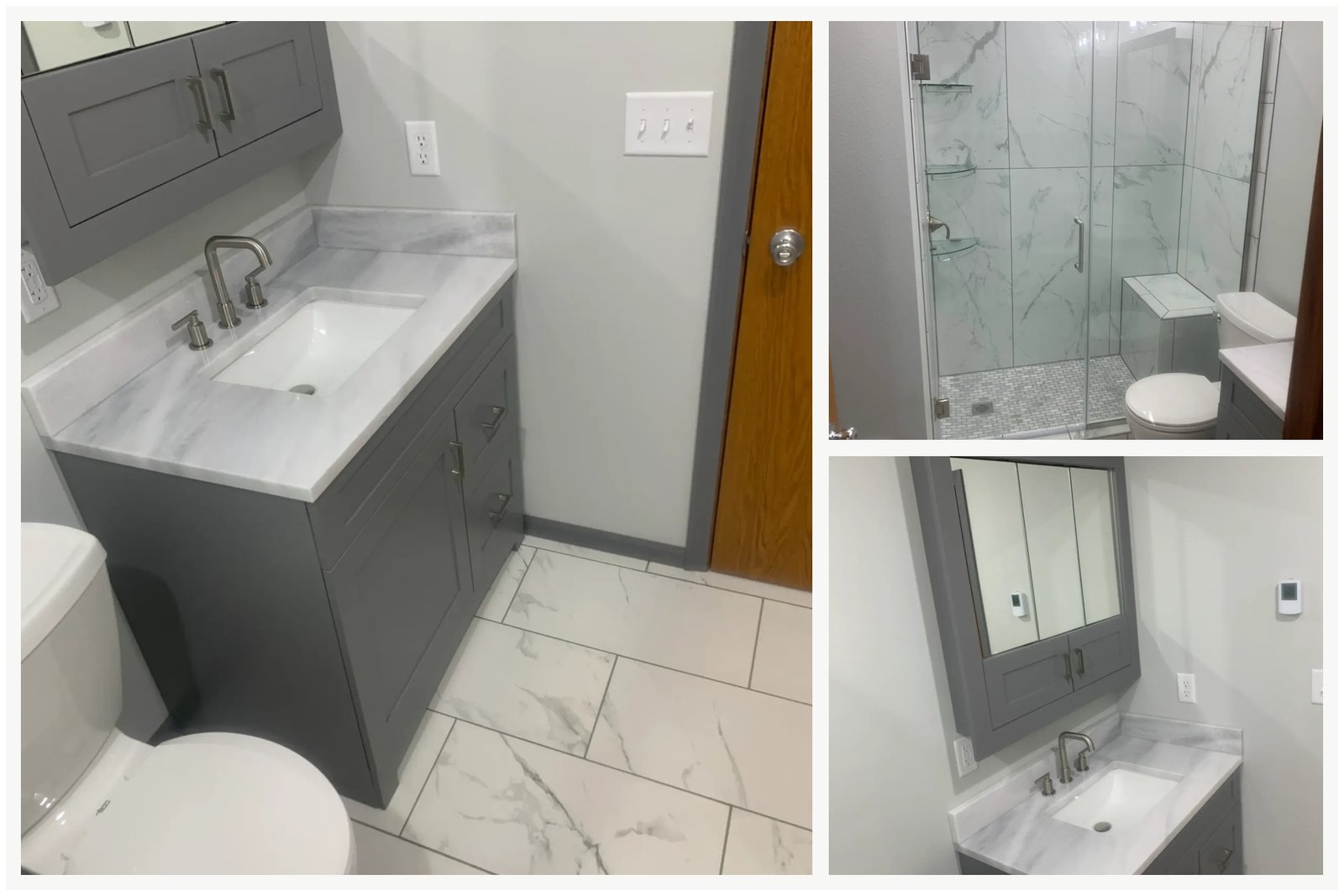
Is Your Bathroom Designed for the Way You Live?

bathroom remodel fargo nd

The best bathroom upgrades are not always the ones that catch the eye first. Sometimes, they are the small improvements that make a rushed morning less stressful, a shower easier to enjoy, or a countertop simpler to keep clean. A well-planned bathroom remodel can improve these everyday experiences by focusing on how the room functions, not just how it looks.

When we approach bathroom remodeling in Fargo, we consider the details that influence comfort over time. Storage, lighting, ventilation, accessible movement, and durable materials all affect how a bathroom feels to use. By addressing these practical needs early, we can help shape a space that feels more comfortable without relying on expensive extras or short-lived design trends.

Why Are Homeowners Rethinking Bathroom Comfort?

Bathrooms are increasingly being viewed as spaces for relaxation as well as daily routines. According to the 2026 U.S. Houzz Bathroom Trends Study, half of renovating homeowners reported spending more time in their bathrooms after upgrades. Cleanliness, spacious showers, and organized storage ranked among the features most associated with relaxation.

We see a useful lesson in these findings: comfort often comes from making everyday tasks easier. A spacious shower may improve movement, organized storage can reduce countertop clutter, and suitable lighting can make grooming more convenient. We encourage homeowners to identify which frustrations affect them most before deciding where the renovation budget should go.

How Can Better Lighting Change the Entire Room?

Lighting influences how a bathroom looks and how comfortably we use it. A single overhead fixture may leave shadows around the mirror or make a small room feel less inviting. A layered lighting plan can address different needs without making the design complicated.

We recommend thinking about lighting in three ways: general illumination for the whole room, clear vanity lighting for grooming, and softer lighting where a relaxing atmosphere is important. Dimmable fixtures may provide flexibility, provided the selected products are suitable for their intended locations.

We also consider natural light whenever the layout allows it. Window placement, privacy, and ventilation requirements all matter when deciding whether additional daylight is practical. The aim is to make the room feel usable at different times of day rather than simply brighter.

Could Storage Make Your Bathroom Feel Larger?

A bathroom can feel cramped even when its floor area is adequate. Frequently used items may cover the vanity, towels may lack a convenient home, and cleaning supplies may occupy valuable cabinet space. Adding more storage is not always the answer; organizing it around daily habits can be more effective.

We examine how people use the room before recommending storage changes. Depending on the layout, options may include vanity drawers, recessed shelving, mirrored cabinets, linen storage, or niches that keep shower products accessible. Each solution needs to account for available wall space, plumbing, and moisture exposure.

Before selecting cabinetry, we suggest listing the items that need a permanent place. This simple step can help prevent oversized cabinets or storage features that take up space without solving the main problem.

What Should We Consider Before Changing the Shower?

The shower is one of the most important parts of a bathroom renovation because it affects movement, cleaning, and long-term usability. Some households may benefit from a larger shower, while others may prefer keeping a bathtub for children, relaxation, or changing household needs.

We evaluate the existing layout before deciding whether to change the shower footprint or relocate fixtures. A lower-entry shower, thoughtfully positioned controls, stable surfaces, and accessible shelving may improve convenience. The right choices depend on the household, available space, plumbing conditions, and applicable building requirements.

We also consider how each design decision affects the rest of the room. Expanding a shower could reduce vanity space or limit storage, so we weigh the benefits against the practical trade-offs before finalizing the layout.

Why Should Ventilation Be Part of the Renovation Plan?

Good ventilation is essential in a room that regularly fills with steam and moisture. If damp air remains trapped, it can contribute to condensation and conditions that support mold growth. The U.S. Environmental Protection Agency recommends checking bathroom exhaust fans during remodeling and ensuring that they remove air effectively to the outdoors.

We treat ventilation as a functional part of the renovation rather than an afterthought. Alongside the exhaust fan, we review signs of existing moisture problems, inspect accessible areas where appropriate, and consider materials suited to bathroom conditions. Any leaks or underlying water damage should be addressed before new finishes cover the affected areas.

Planning for moisture control may not produce the most noticeable visual change, but it supports the long-term performance of the renovated space.

How Can We Keep a Bathroom Renovation Focused?

A bathroom project can become more complicated when decisions are made one at a time without a clear plan. We find it helpful to establish priorities before selecting finishes or adding optional features.

We begin by identifying the most important improvements, setting a realistic budget, and considering how the different parts of the project connect. Key planning points include:

  • Layout and movement: Determine whether the existing arrangement supports daily routines.
  • Storage and lighting: Identify practical changes that improve convenience.
  • Materials and maintenance: Compare durability, cleaning needs, and cost.
  • Plumbing and ventilation: Review existing systems and identify necessary upgrades.
  • Budget and timing: Account for labor, materials, applicable permits, and possible hidden conditions.

This approach helps keep design choices connected to the original goals. It also creates a clearer basis for discussing costs, schedules, and changes before work begins.

Build Comfort Into the Details

A successful bathroom renovation does not depend on adding every popular feature. It comes from choosing improvements that make the space easier to use, maintain, and enjoy. Better lighting, organized storage, reliable ventilation, and thoughtful layouts can have a lasting effect on everyday routines.

When planning bathroom remodeling in Fargo, we encourage homeowners to focus on the improvements they will appreciate long after the renovation is complete. At Northern Valley Construction Inc., we provide remodeling and general contracting services that can support bathroom project planning and coordination. We begin with the homeowner’s priorities and work toward a practical plan that balances comfort, function, and budget.

Frequently Asked Questions

  1. What makes a bathroom easier to maintain?
    Choose moisture-suitable surfaces, accessible storage, and ventilation that removes damp air after showers and bathing.
  1. How important is bathroom ventilation?
    It removes moisture, helps control odors, and reduces conditions for mold and mildew growth indoors.
  1. What lighting works best in a bathroom?
    Layered lighting combines general illumination, clear vanity lighting, and targeted fixtures for safer comfortable routines.
  1. Should I replace a bathtub with a shower?
    Compare household needs, available space, accessibility, resale considerations, and bathing preferences before changing the layout.
  1. What should a bathroom renovation budget include?
    Include labor, materials, permits when required, disposal, finish selections, and contingency funds for unexpected conditions.
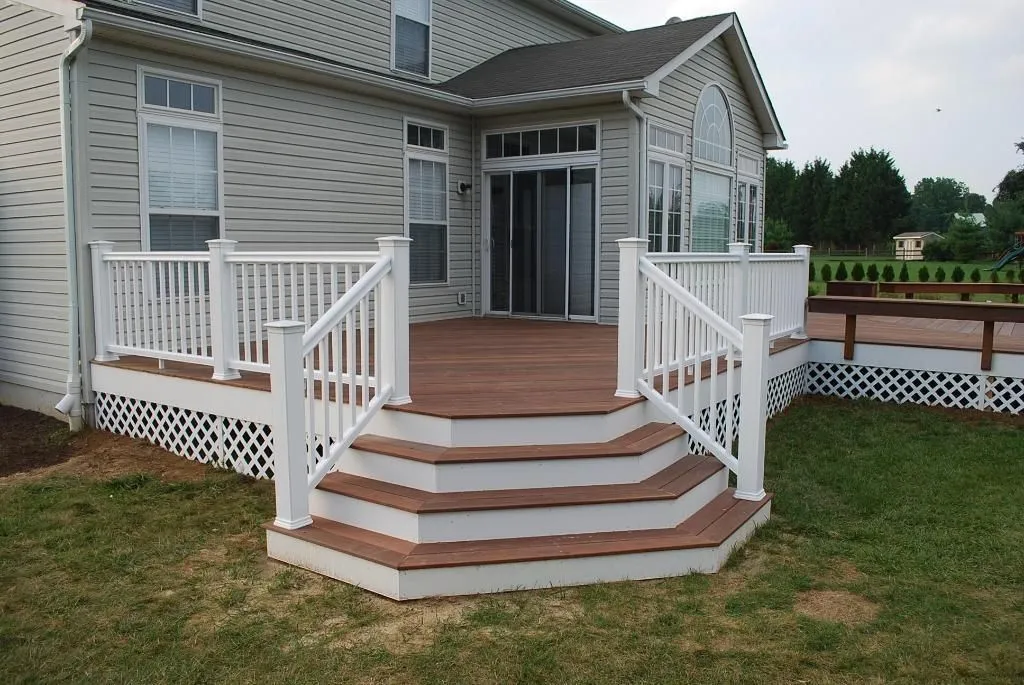
 

How Smart Planning Prevents Construction Headaches

G3 1200h
 

It’s easy to think that a construction project is a straightforward process, but the smallest detail that is ignored can throw everything off. A material is late, a design change occurs, or one trade has to wait to start until the other has finished. Successful construction entails more than skilled workers and these challenges illustrate why. Planning, communication and collaboration make a lot of difference to our general contractors in Fargo, as it helps to create a project rather than a number of random jobs that need to be completed.

Northern Valley Construction Inc. takes a different perspective on residential and commercial building, beginning by considering the relationship between elements of a project. From a home addition to a larger construction project, we’re all about making decisions that keep the project on track and on course with the owner’s objectives.

Why Does Construction Coordination Matter So Much?

There are multiple components to construction. The type of work will vary depending on the project, but could involve permits, design planning, material selection, demolition, framing, plumbing, electrical work and finishing. Decisions made will be crucial to each stage.

If they are not planned together, then there is a risk of delays and additional costs. Plumbing locations can be determined before cabinets are installed, for instance, to minimize rework. It can also be an issue to order materials before final measurements have been taken.

We view the sequence of work early since it allows us to set reasonable expectations. Having a clear plan makes it easier for everyone to understand what needs to happen first, what decisions they need to make, and how one step leads into the next.

How Can Better Planning Reduce Unexpected Costs?

It is not always a costly material that is the root of budget issues. At times, they make small decisions too late. After construction has started, changing a layout, failing to consider the proper repairs, or specifying materials not available will impact both cost and time.

Owners are encouraged to prioritise prior to work. This includes distinguishing between essentials and optional upgrades and discussing them in detail. A helpful budget includes labor, materials, permits (as applicable) and reserves for contingencies.

Before committing to a project, we recommend reviewing these points:

  • Project scope: Identify the work included and clarify what falls outside the agreement.
  • Material choices: Confirm product availability, specifications, and delivery expectations.
  • Schedule: Discuss the order of tasks and dependencies between different trades.
  • Budget flexibility: Set aside a reasonable contingency for hidden conditions or approved changes.
  • Communication: Establish how questions, revisions, and cost updates will be handled.

These steps cannot eliminate every surprise, but they can make decisions more manageable when conditions change.

What Role Does Communication Play During Construction?

If people don’t understand a construction schedule, it’s of little use. Owners should be informed when decisions are needed, contractors should be informed of accurate information, and trades should establish a sequence of responsibilities.

We believe that communication is a continuous process of project management and not just a solution for issues. Talking with others about progress, future decisions, availability of materials and potential changes ensures working from the same expectations.

Evidence in written format may also be helpful. It helps to avoid confusion in the future when it is easier to keep track of approved changes, selections and significant discussions on projects. If a change does need to be made, make sure that everyone is aware of the change and the impact on the budget and/or timeline.

How Do Material Choices Affect the Construction Schedule?

Materials influence more than the final appearance of a building. Their availability, delivery times, installation requirements, and compatibility with other components can affect the work sequence.

Custom cabinets, specialty windows, and certain finish materials may require longer lead times than readily available products. If those items are essential to the project, selecting them early can help reduce scheduling pressure.

We also encourage owners to consider durability and maintenance alongside appearance. A material should suit its intended use, fit the project budget, and meet relevant building requirements. Comparing options before ordering helps reduce the risk of costly substitutions after work has started.

What Should Owners Expect When Plans Change?

Even well-planned projects can uncover conditions that were not visible at the beginning. A renovation may reveal damaged framing, outdated wiring, or moisture-related concerns behind existing finishes. These findings may require additional work before construction can proceed safely.

When a change arises, the next step should be to understand the issue and evaluate the available options. We recommend clarifying why the change is necessary, how much it may cost, and whether it affects the schedule. Owners should review and approve changes before additional work proceeds, except where immediate action is necessary to address a safety concern.

A transparent process helps keep decisions grounded in the project’s actual needs instead of rushing into a solution.

How Can You Choose the Right Construction Partner?

The right contractor should be able to explain the proposed work, discuss realistic expectations, and outline how project decisions will be managed. Price matters, but it should not be the only factor in a construction decision.

Before hiring a contractor, ask about relevant experience, licensing and insurance where applicable, references, payment schedules, and procedures for handling changes. Review the written agreement carefully and confirm that the scope, responsibilities, and exclusions are clear.

It is also worth discussing how communication will work throughout the project. Knowing who will answer questions and how updates will be shared can help establish a productive working relationship from the start.

Building Confidence Into Every Project

A well-managed construction project depends on many decisions that happen before the finished space takes shape. Clear expectations, practical scheduling, thoughtful material selection, and consistent communication can help reduce avoidable setbacks and keep the work aligned with the owner’s priorities.

For property owners considering residential or commercial construction, general contractors in Fargo can help coordinate the stages that bring a project together. At Northern Valley Construction Inc., we approach construction and remodeling with attention to planning, project coordination, and the goals established with each owner. Starting with a clear discussion of your needs is a practical way to set the direction for the work ahead.

Frequently Asked Questions

  1. What does a general contractor do?
    A general contractor coordinates construction activities, schedules trades, manages project details, and helps keep work aligned with agreed plans.
  2. Why is a construction schedule important?
    A schedule organizes tasks, identifies dependencies, sets expectations, and helps teams respond to delays before they disrupt later work.
  3. Should I set a contingency budget for construction?
    Yes, a contingency can help cover unexpected conditions, necessary repairs, or approved changes that arise during construction.
  4. When should I choose construction materials?
    Choose key materials early, especially items with long lead times, to support scheduling and reduce last-minute substitutions.
  5. What should a construction contract include?
    A construction contract should define scope, pricing, payment terms, timelines, responsibilities, exclusions, and procedures for approving project changes.